Our History
High Peak Community Arts has an incredible history of bringing people together through creativity. Since 1980, the organisation has delivered ambitious community plays, innovative public art, disability arts programmes, and youth projects that have enriched lives across the High Peak.
1980s
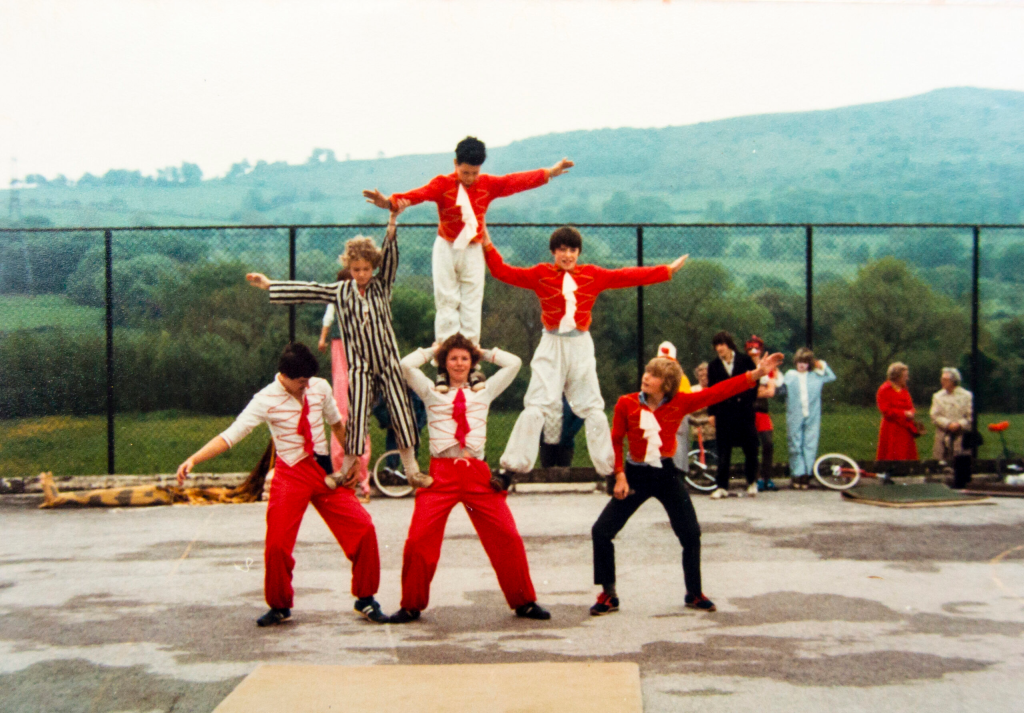
High Peak Community Arts was founded in 1979 and quickly established itself through creative drama and circus skills projects during school holidays.
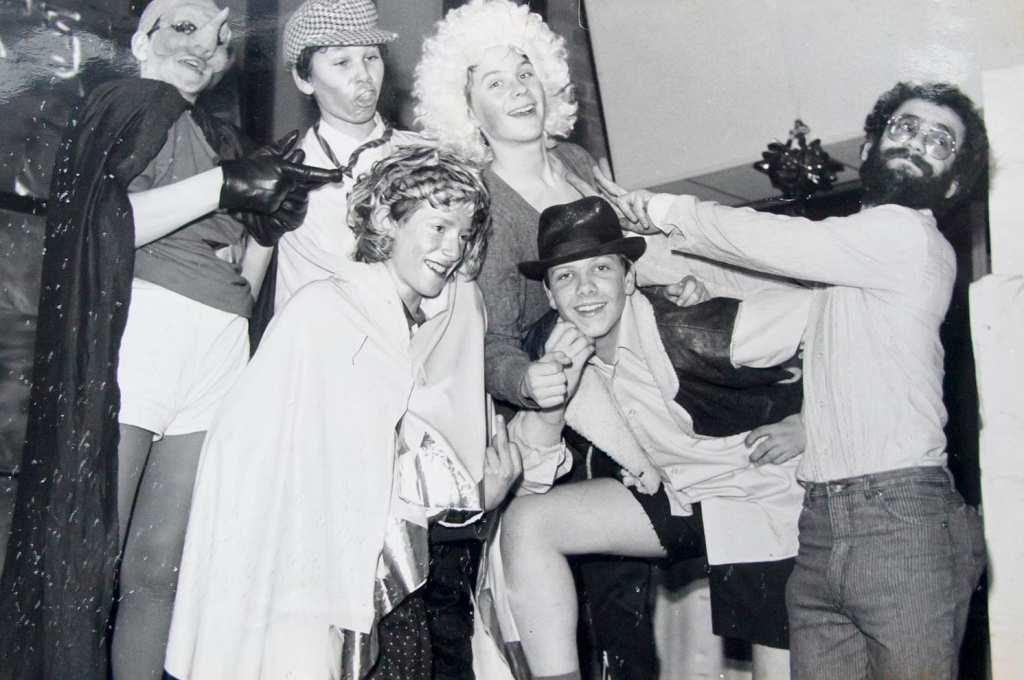
The early years saw ambitious youth-led productions, including pantomimes and community plays that explored local history and social themes.
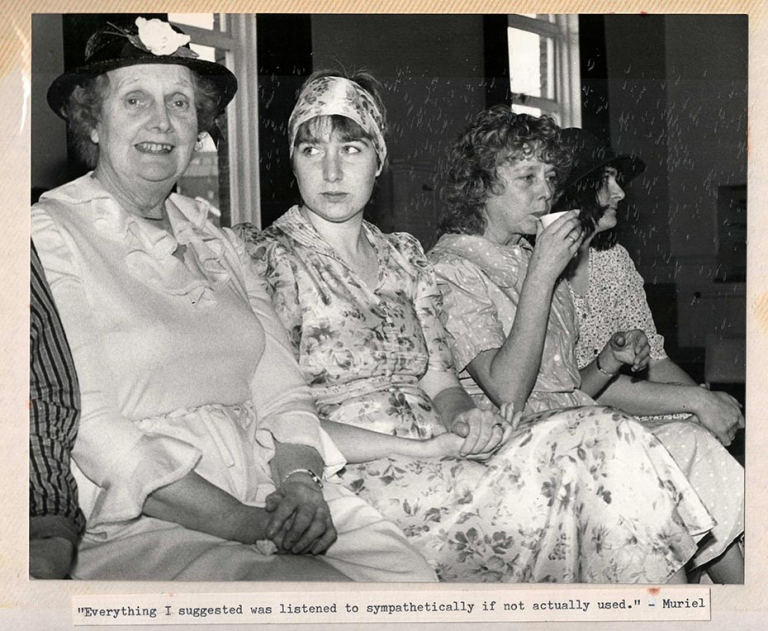
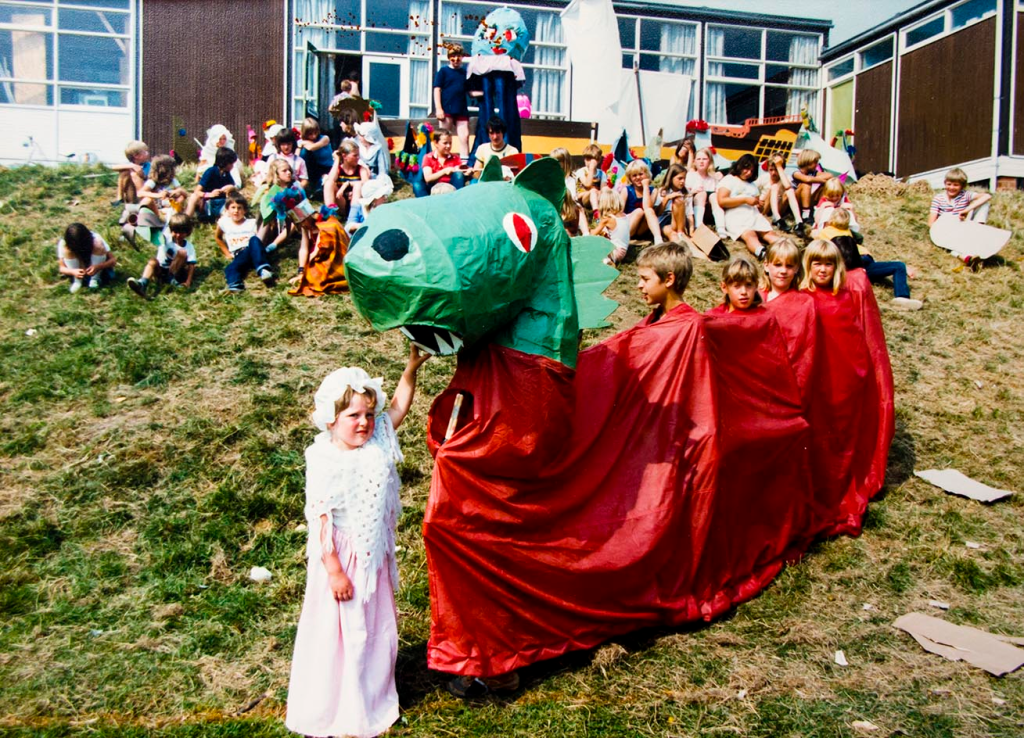
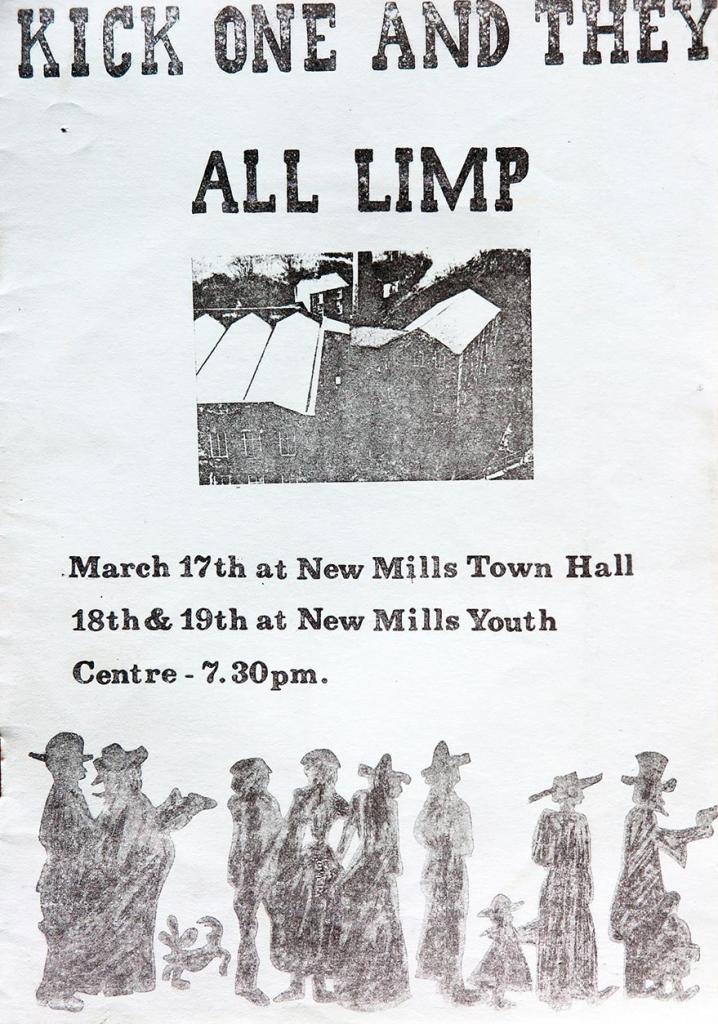
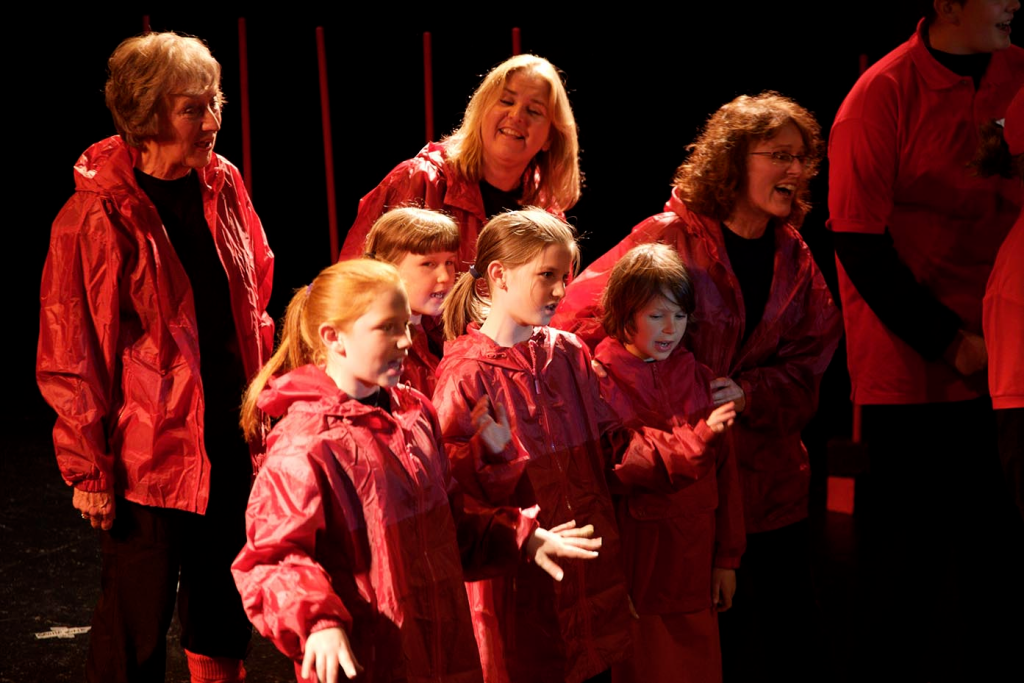
Notable projects included “Kick One and They All Limp” (1982), which presented New Mills’ history through intergenerational storytelling, and “Commutiny On The Bounty” (1983), an outdoor performance involving over 70 children that travelled from Buxworth Basin to Chinley Youth Centre.
The decade closed with significant projects like “Tin Hats’n’Telegrams” (1987), a large-scale community play about World War Two experiences, and early video work, including “The Human Race” (1988), which explored disability awareness.
1990s
The 1990s saw High Peak Community Arts expand into new creative territories, combining traditional theatre with visual arts, creative writing, and public art installations.
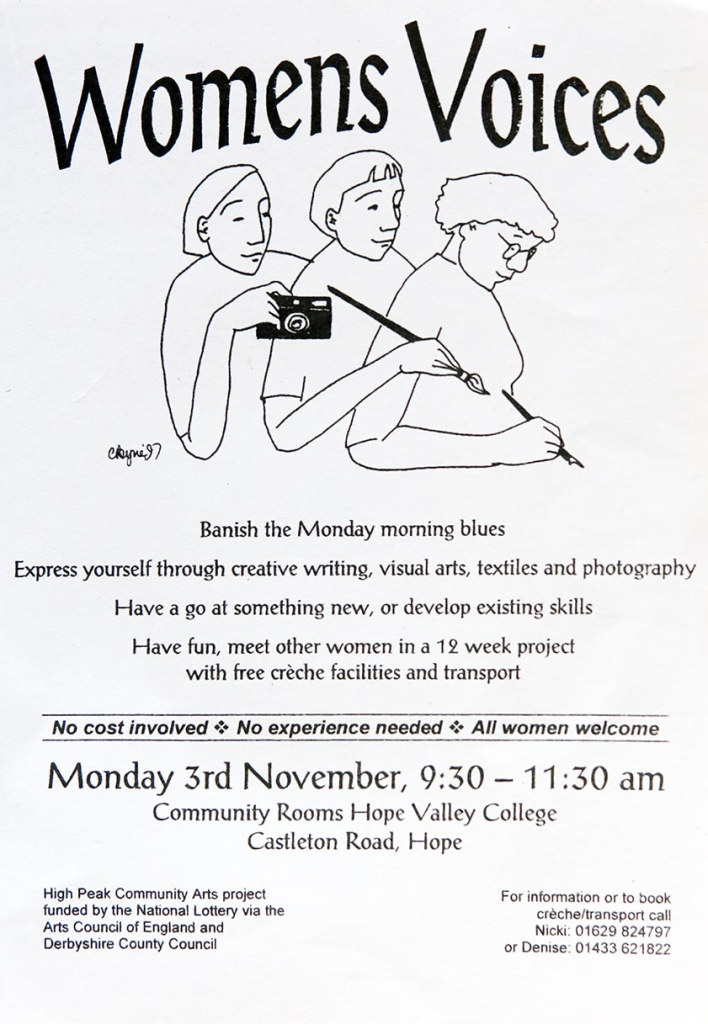
Major community plays like “Heart of the Stone” (1990) and “The Water is Pink and Other Colours” (1991) continued the tradition of large-scale performances, while innovative projects explored contemporary issues, including the AIDS memorial quilt (1993) and women’s rights through International Women’s Week (1994).
The decade featured significant integrated arts projects such as “Quarries and Lorries” (1995) and “Build On Buxton” (1996), and saw the launch of The Arts Exchange in 1997, a groundbreaking initiative providing accessible arts activities for disabled people that would run until 2007.
2000s
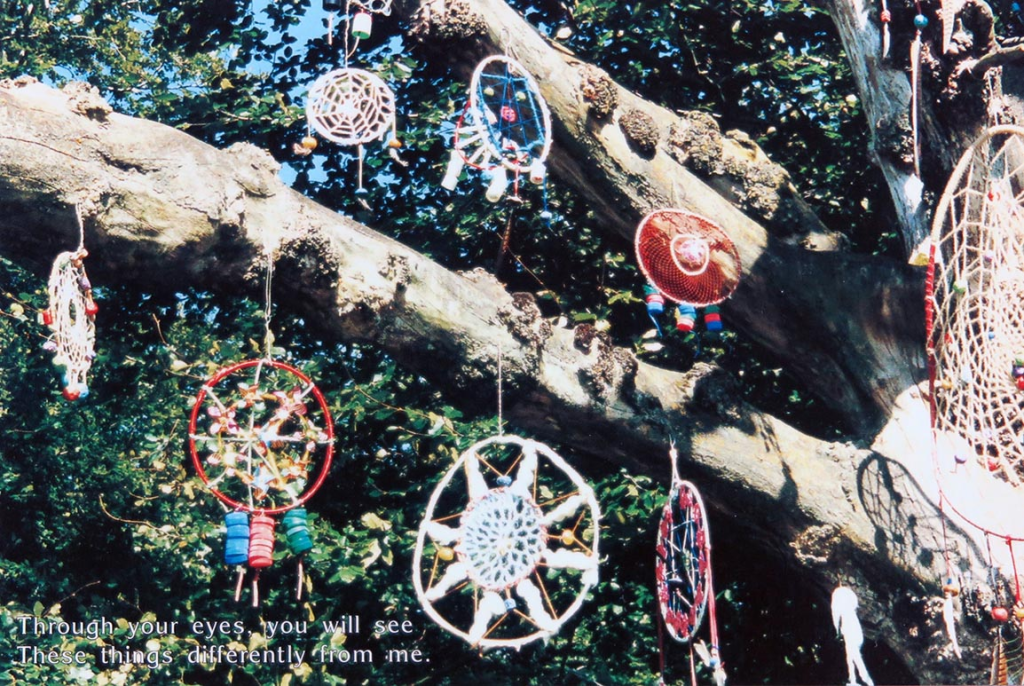
The new millennium began with ambitious outdoor public art celebrating the year 2000 through “Lighting The Peak,” which saw communities across the High Peak create light-themed artworks for public spaces.
The decade demonstrated remarkable diversity in programming, from music projects like “Get Heard – Peak Performance” (2001) to innovative formats such as the Air Waves Graffiti Project (2004), which challenged perceptions of street art.
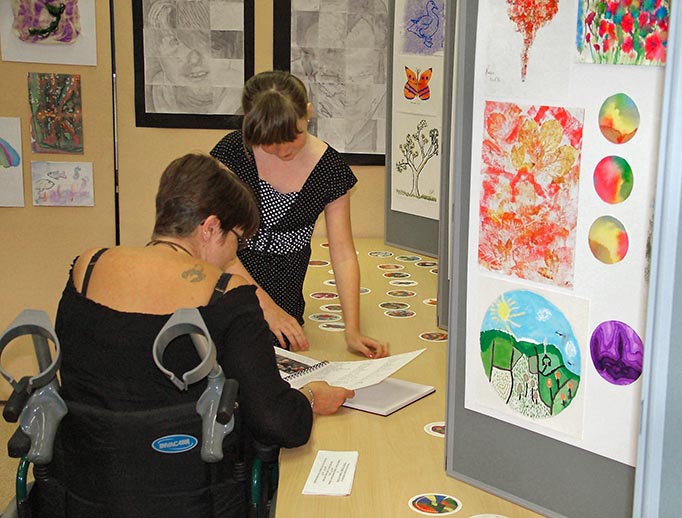
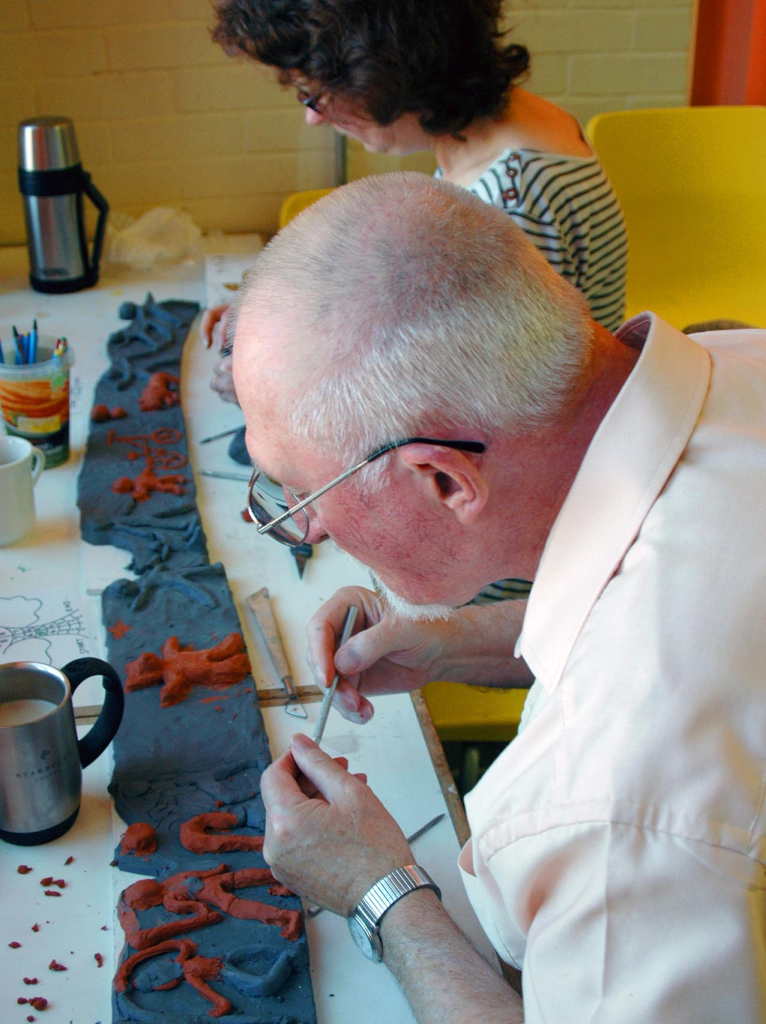
Disability arts remained central to the organisation’s work through the Exchanges series, including ceramic installations and the “One In Eight” print magazines.
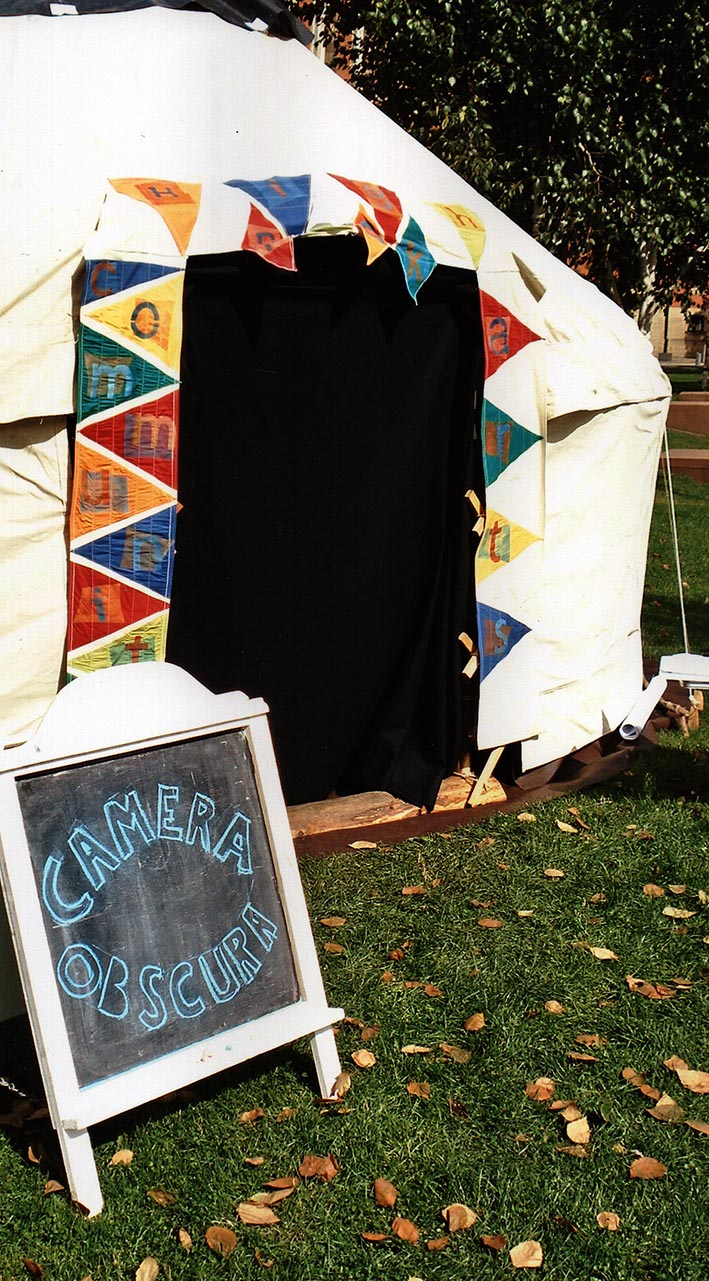
The decade closed with a return to large-scale performance with “On Common Ground” (2007), commemorating the Kinder Trespass, and the introduction of a touring yurt for “Tales In A Tent” (2009), bringing arts to communities in informal settings.
2010s
The decade opened with the organisation stretching its reach in new directions — the travelling yurt continued to bring ‘Tales in a Tent’ to community events and village fetes across the district, while a partnership with Leicester University examined the lasting impact of historical mills on contemporary Glossop. Glossopoly, a customised board game designed as a community engagement tool, toured the country to national audiences.
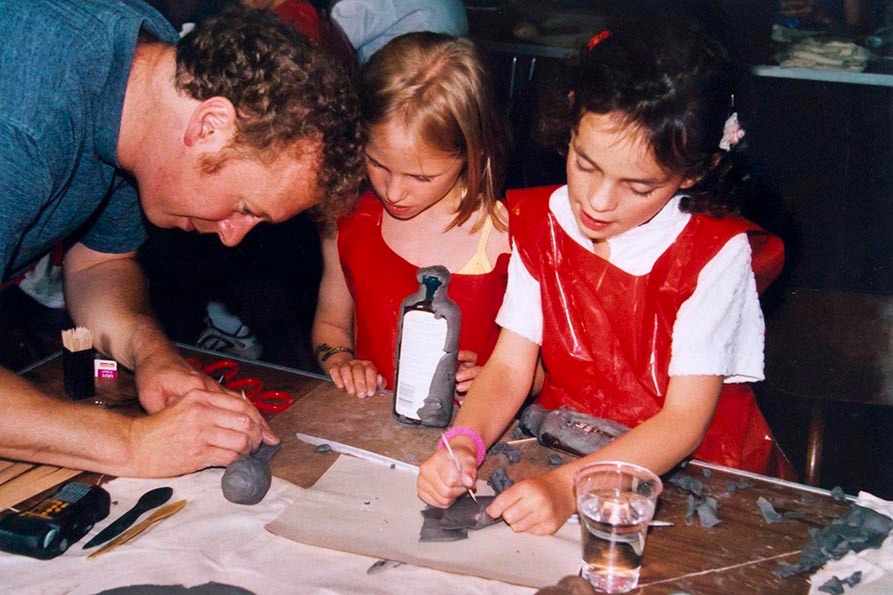
Project eARTh ran throughout the decade producing a remarkable body of creative work — ceramics, textiles, metalwork and more — made by adults experiencing mental distress alongside professional artists.
Film Cuts Club (2013–ongoing) began at the youth club in Hadfield and evolved into a much-loved filmmaking space for young people with additional needs — producing short films annually and, in 2017, the ambitious Z-Go, a race against time to save humanity from a brain-eating virus.
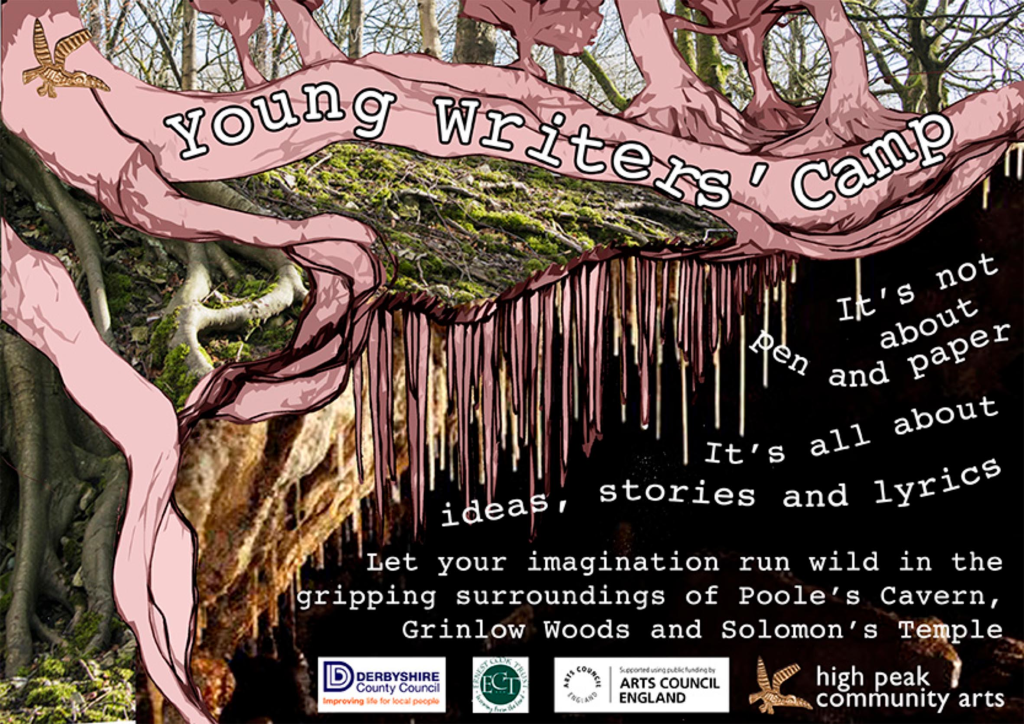
Tall Tales (2014–ongoing) emerged from demand for performing arts provision in the lower-income communities of Gamesley and Fairfield. Early productions adapted children’s books for the stage before young people took creative ownership, leading to the establishment of the Easter Young Writers’ Camp in 2016.
Across both youth projects, many members returned year after year — building confidence, gaining Arts Award qualifications and, for some, progressing to university or paid roles within the team.
Learn More
Discover more of our history at the Derbyshire Record Offices.
For media inquiries, please contact us.